Living and Dying Under Dobbs, vol. 7 (no audio). Scroll down to read the stories.
Volume 7 of the ongoing textile book.
Scroll down to read the stories.
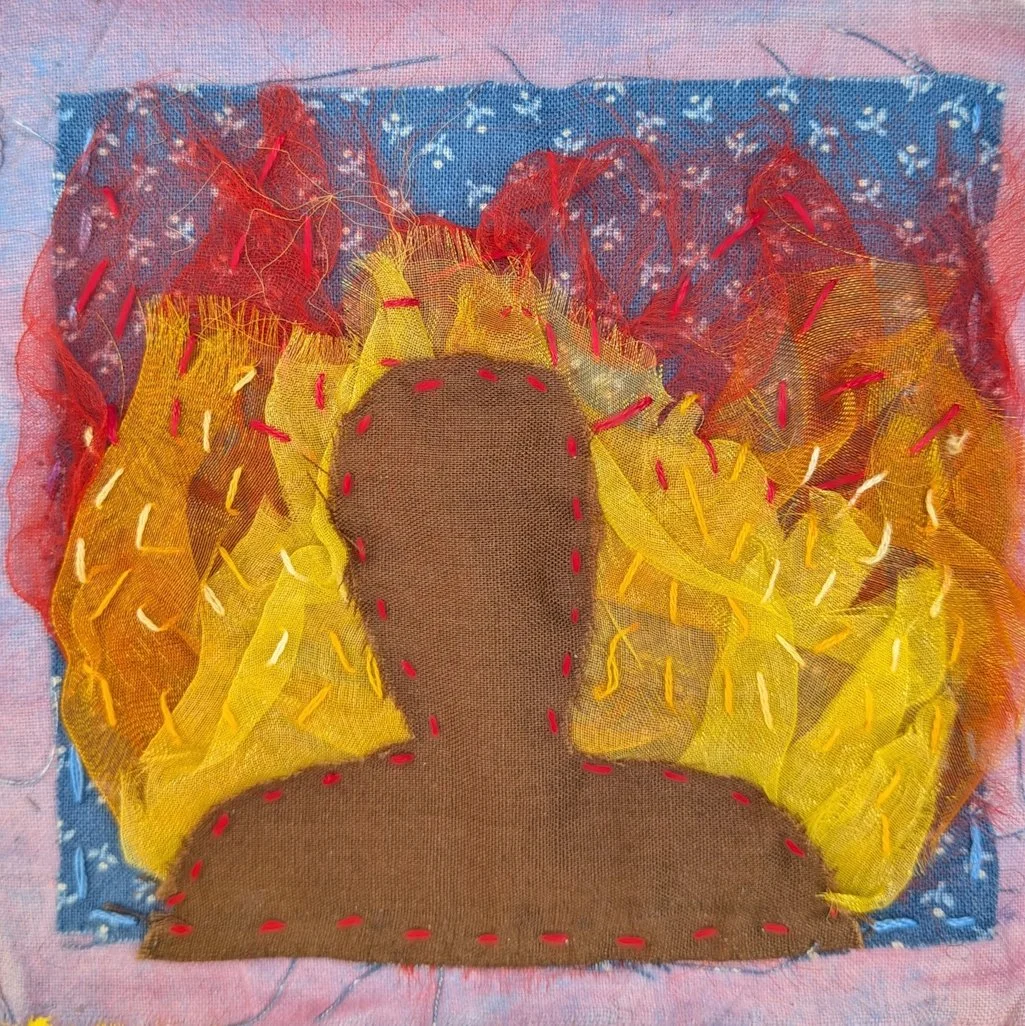
In late 2022, Carmen Broesder of Idaho began to bleed and cramp at six weeks of pregnancy. For 19 days, she experienced intense pain and repeatedly sought miscarriage care, but three hospitals and her own OBGYN would not provide a D&C despite the lack of fetal heartbeat. Her physician told her that doctors have "some trepidation" about performing the procedure in light of the state ban. Carmen said his words made her feel “like 50 pounds of bricks got lifted off my shoulders and got replaced with like 50 pounds of raging fire. But I couldn't do anything because this guy's helping me so I'm not mad at him and it's not his fault. I'm obviously mad at the law." She decided it’s not safe to try for a second baby in Idaho because she doesn’t want to risk dying, leaving her daughter without a mother. Carmen has since moved to Colorado where she is running for governor in 2026.
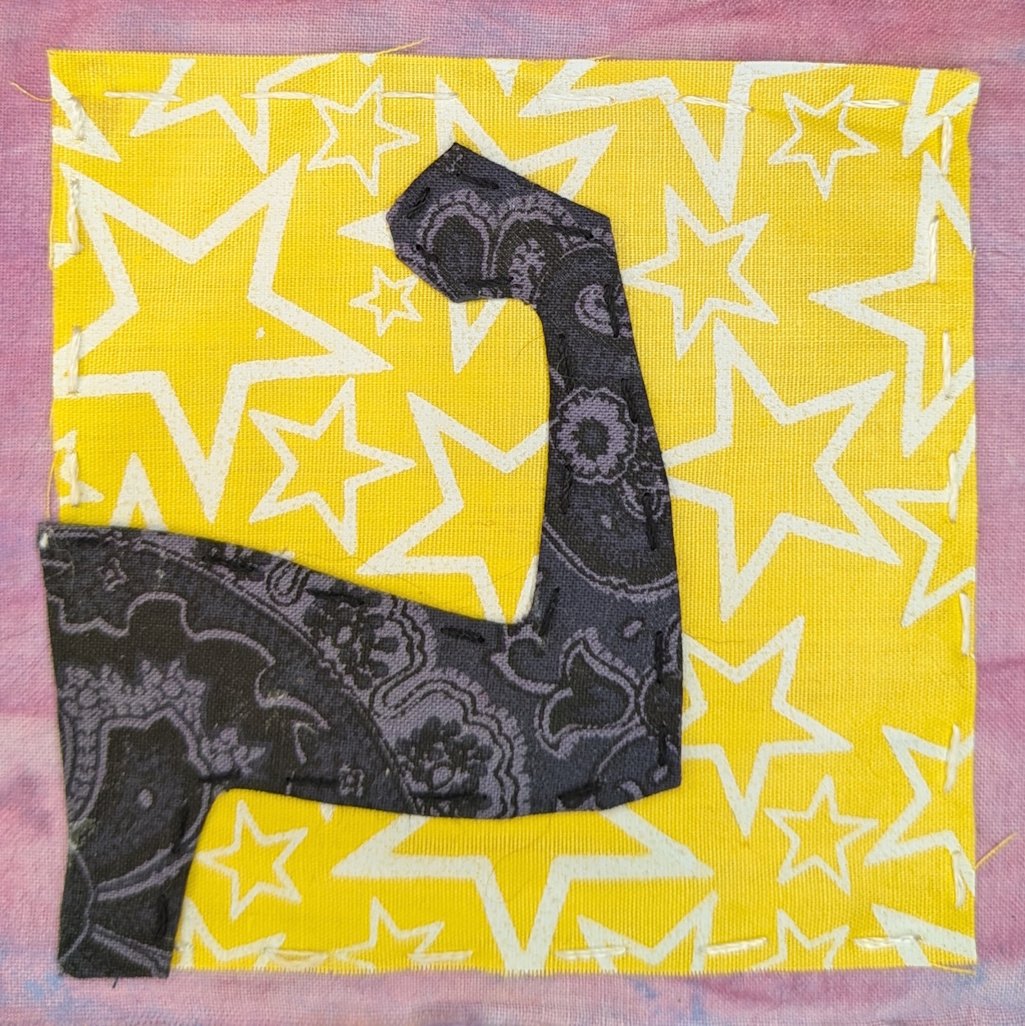
In 2023, Texan Cristina Nuñez discovered she was six weeks pregnant. Because she had end-stage kidney disease, high blood pressure, and diabetes, she had been advised never to become pregnant. Her OBGYN confirmed that she needed an abortion and said they would contact hospital administration, but Cristina never heard back. Her health worsened over the following weeks: her arm turned black from blood clots and she feared she might have a pulmonary embolism. An ER refused to provide an abortion until a legal organization threatened a lawsuit. In late 2024, Cristina filed a complaint with the Department of Health and Human Services against the Hospitals of Providence in El Paso for violating her civil rights by failing to provide language translation services, which intensified her confusion and suffering during her ordeal.

At 18 weeks of pregnancy, Gracie Ladd learned that the fetus had serious heart defects. She said it was a “red flag” when the doctor wanted to speak with her in the midst of an ultrasound. She was advised to end the pregnancy because she had so little amniotic fluid that Connor would likely die in utero and Gracie would be at risk of infection. Although abortion is legal in Wisconsin, Gracie learned that there were only two hospitals that would perform one at her stage of pregnancy, and that she would be required to undergo a third ultrasound, receive counseling, and wait another 24 hours before the procedure. “It sounded awful,” Gracie said. “You want finality.” She received the abortion in Illinois. “The law really pissed me off,” Gracie said. “Why did some old guy in politics care about my health care? He wasn’t in that ultrasound room or carrying a baby that couldn’t live.” Gracie later birthed a daughter and says she is glad Maddie “was in my belly when I spoke before Congress. I think it will set her up for a vibrant, outspoken life. I’m excited to tell Maddie she can be whatever she wants to be—and that her mom will keep fighting for her to have the best life possible by telling my story.”
At my exhibit in March 2026, I shared this project with Gracie. See the “Real Women” Studio Note, April 2, 2026.

Kelsie Norris-De La Cruz began cramping and bleeding shortly after learning she was pregnant. A Texas hospital said she was likely miscarrying and should return if her symptoms worsened. Several weeks later, ER staff at Texas Health Arlington Memorial Hospital said she had symptoms of an ectopic pregnancy, but two OB-GYNs said she was only miscarrying and should be discharged without treatment. The first wrote in her record that she was “not a reliable historian as she is very angry and upset.” Kelsie’s friend showed her own OB-GYN a picture of Kelsie’s sonogram, and the OB-GYN immediately performed surgery, successfully saving her life, but Kelsie lost most of her right fallopian tube. In August 2024, Kelsie filed a complaint with the U.S. Department of Health and Human Services. She says, “I’m filing this complaint because women like me deserve justice and accountability from those that hurt us. Texas state officials can’t keep ignoring us. We can’t let them.”
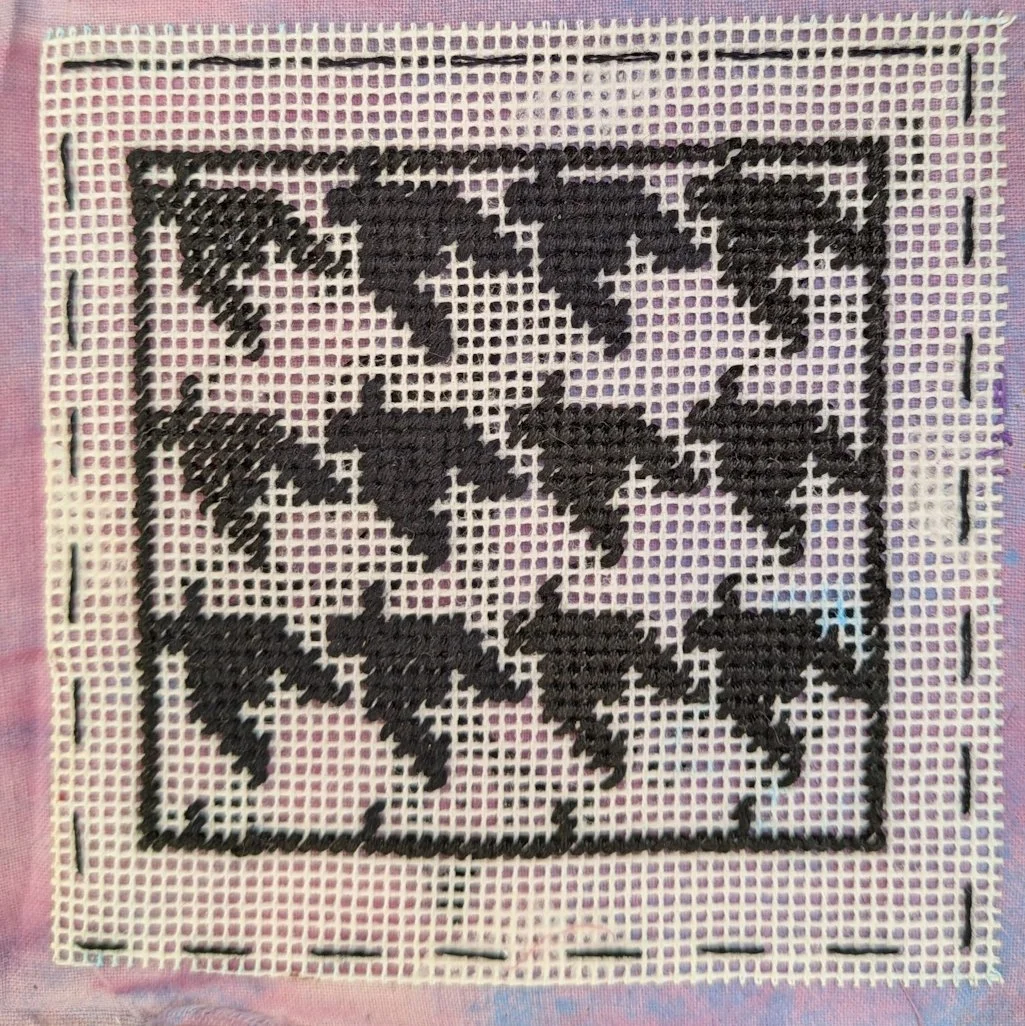
At 12 weeks of pregnancy, Lauren Miller learned that one of her twins had little chance of survival and threatened both his twin and herself. Doctors tiptoed around the options. “It felt like we had a politician there too — Ken Paxton, our attorney-general, might as well have been sitting in a chair in the corner, chewing on a pen,” she says. Finally, a doctor recommended that she leave the state for an abortion. Lauren knows that, as a married woman with children, big blonde hair, and a houndstooth jacket, she does not fit the stereotype of someone who might need an abortion. “I look like someone’s grandmother,” she says, but “you can’t just legislate abortion away because it is still going to be needed.” In 2024, Lauren testified before the US Senate, saying, “I was at risk of organ damage to my kidneys and brain . . . but I still wasn’t close enough to death to receive abortion care in Texas.”

In 2024, at age 37, Texan Tierra Walker became pregnant. As the weeks progressed, she experienced high blood pressure, seizures, and diabetes, and realized she was at risk of pre-eclampsia because she’d had a dangerous case several years before that resulted in stillbirth of twins. But when she asked if termination would be safer, all 90 of the doctors involved in her care simply continued to treat symptoms, even though one wrote in her medical record that she was at “high risk of clinical deterioration and/or death.” Some experts who reviewed her records described her condition as a “ticking time bomb.” On his 15th birthday, Tierra’s son JJ found her face down on her bed. The 911 dispatcher explained how to perform CPR, but it was too late. “I need you,” he shouted to his mom, “I need you!”
In September 2026, Tierra’s family filed a lawsuit against Attorney General Ken Paxton, the director of the state medical board, and several physicians, among others.
Sources
Carmen Broesder.
“Idaho woman shares 19-day miscarriage on TikTok, says state's abortion laws prevented her from getting care.” ABC News. Jan. 21, 2023.
“Carmen Broesder for Governor.”
Cristina Nuñez.
“The Plaintiffs and Their Stories: Zurawski v. State of Texas.” Center for Reproductive Rights. Nov. 14, 2023.
“HHS OCR Administrative Complaint: Cristina Núñez vs. Hospitals of Providence.” Policy Commons. Dec. 3, 2024.
Gracie Ladd.
”Wisconsin mom exposes painful reality of abortion laws after tragic pregnancy loss.” UpNorthNews. Nov. 11, 2025.
Kelsie Norris-De La Cruz.
“Clients’ Stories: EMTALA Complaints Against Hospitals.” Center for Reproductive Rights.” October 15, 2025.
Rights to icon from Noun Project. As always, all textile design my own.
Lauren Miller.
“America’s war on pregnant women.” ABC News. Dec. 6, 2025.
Tierra Walker.
“`Ticking Time Bomb’: A Pregnant Mother Kept Getting Sicker. She Died After She Couldn’t Get an Abortion in Texas.” Pro Publica. Nov. 19, 2025.
Walker v. Paxton, et al. September 15, 2026.