Living and Dying Under Dobbs, vol. 8 (no audio). Scroll down to read the stories.
Volume 8 of the ongoing textile book.
Scroll down to read the stories.
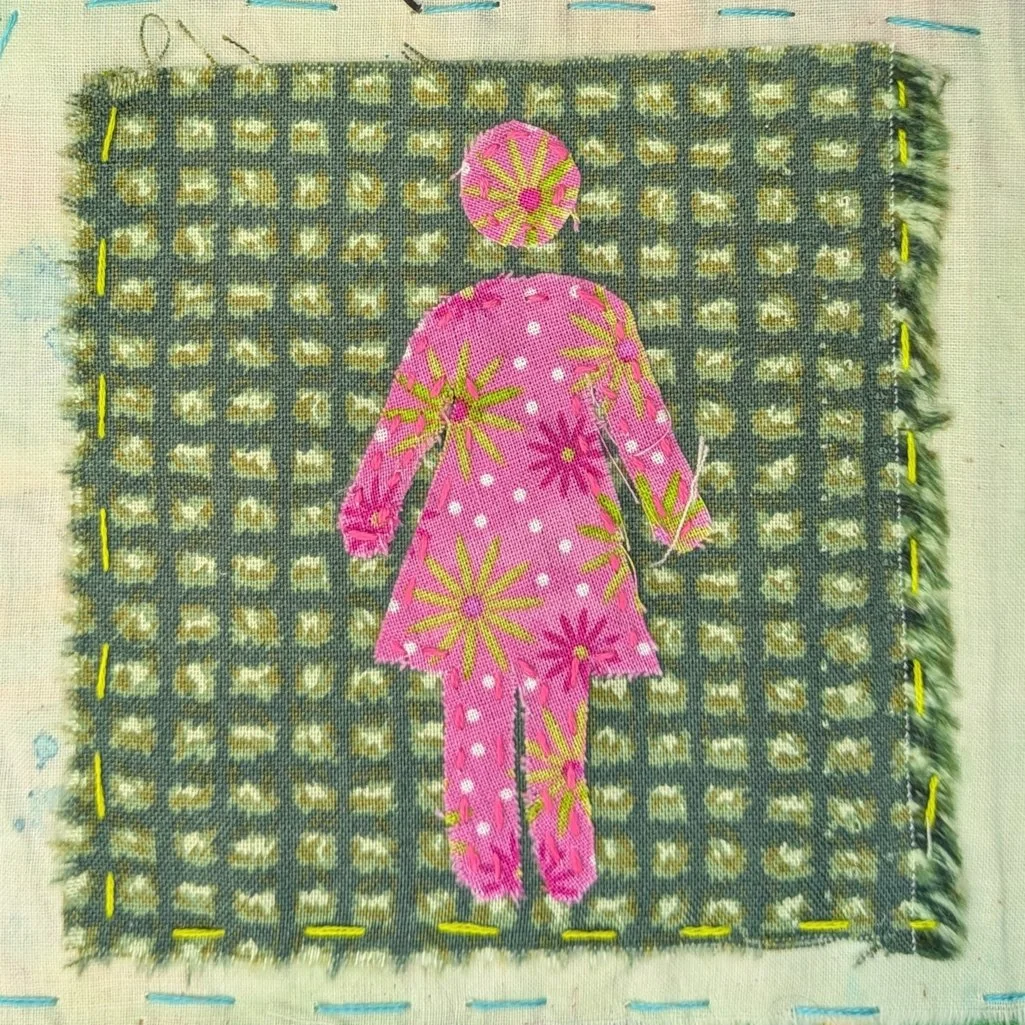
In December 2022, at 15 weeks of pregnancy, Anya Cook went to Broward Health ER in Florida when her water broke. An ultrasound showed no amniotic fluid around the fetus. The hospital sent her home with antibiotics and a nurse’s promise to pray for her. The next day, Anya delivered the fetus alone in a hair salon restroom. By the end of the day, she had lost about half her blood. Anya was placed on a ventilator and a doctor told her husband she could die. Doctors who later reviewed her records said that, with no amniotic fluid, she was at severe risk of hemorrhage and infection. Broward’s VP for corporate communications and marketing said Anya was “not at risk,” when she left the ER. “There was no indication she needed any interventional care.” Four months later, Florida passed a more restrictive ban, outlawing abortion after six weeks of pregnancy.
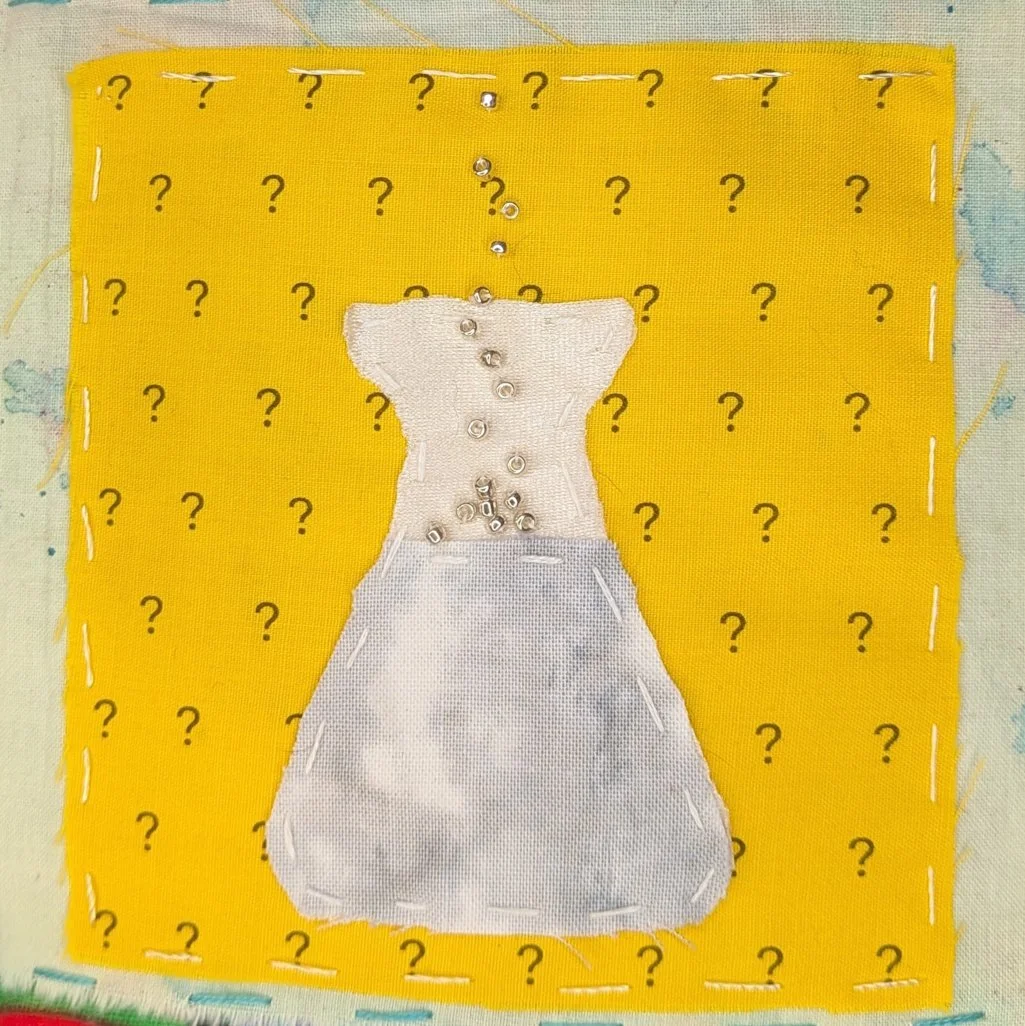
In 2022, Anne Angus of Montana learned at 19 weeks of pregnancy that the fetus showed abnormalities, so she traveled to Colorado for tests. She had decided that she would carry to term, but tests revealed that the newborn would require major interventions. It sounded “like they would just be experimenting on my baby, with the experiment being, ‘How long can we keep him alive?’” She felt the most compassionate decision was to end the pregnancy, but she was now past the gestational age limit for an abortion in Montana. Anne was forced to wait two more weeks for an intake appointment. A clinic escort used an umbrella to shield Anne and her husband from protesters. “I remember feeling so much rage at them. You have no idea what’s going on,” she said. “You don’t care at all about my baby’s suffering if he’s born.”
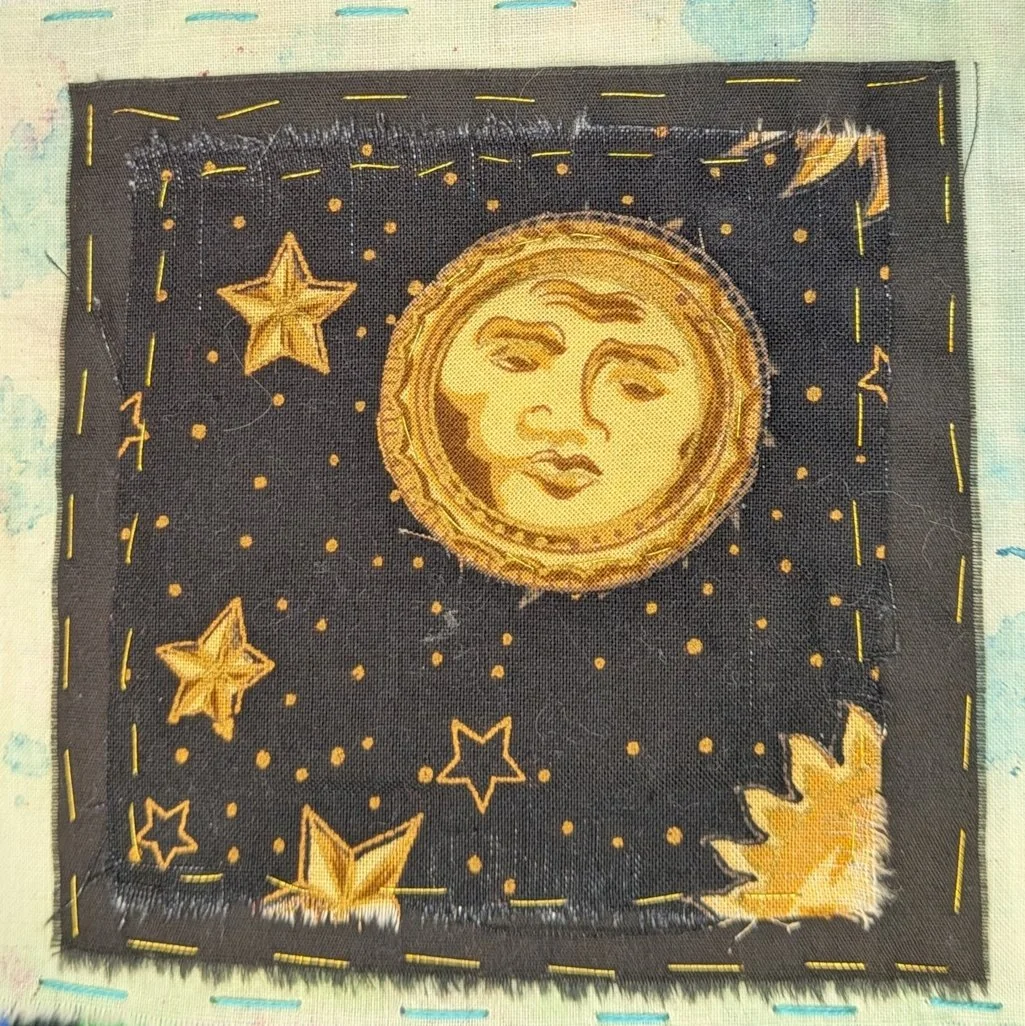
In 2023, Ciji Graham sought care for another episode of atrial fibrillation. Her heart was pounding at 192 beats per minute, putting her at risk for a heart attack or stroke. But when a pregnancy test came back positive, her doctor refused to shock her heart back to a normal rhythm, although cardioversion is safe during pregnancy. Ciji was in such pain that she decided she needed an abortion, which was legal at her stage of pregnancy in North Carolina. But there was a long waiting list at the only clinic in Greensboro because the state requires every patient to have two appointments, three days apart. Also, patients were streaming in from nearby states with stricter abortion bans. One morning, her partner found her face down on the bed, dead. No one in her family knew how to explain her death to her two-year-old son, SJ, so they told him that Ciji had gone to the moon. Every night, he goes outside to tell “Mommy moon” that he loves her.

In September 2024, Emily Waldorf’s water broke at 17 weeks of pregnancy. Despite risk of infection, the hospital would not end the pregnancy because of the Arkansas abortion ban. Staff wanted to discharge her, but she begged to stay. Her family contacted the office of Gov. Sarah Huckabee Sanders and were told they should hire a lawyer. After five days, the hospital facilitated a transfer once her lawyer identified a hospital and specialist. An ambulance transported Emily 240 miles at night through rural Arkansas and Missouri to Kansas while her husband and sister followed, worrying every time the ambulance brake lights went off. During the ride, the paramedic riding with Emily crocheted a tiny blanket for her as a gift. Her sister said it was the first time during Emily’s ordeal that anyone showed her any kindness. Emily is now lead plaintiff in a lawsuit against the governor and other state officials. “Anytime a friend tells me they’re pregnant, I’m worried for them,” says Emily.
In June 2026, I shared this project with Emily.

On December 31, 2025, police arrested and jailed Melinda Spencer on charges of first-degree fetal homicide and abuse of a corpse, among others. Medical staff reported her to the police after Melissa told them she had self-managed an abortion using medication. The charge of fetal homicide was dismissed on January 7 because self-managed abortion is not a crime. In the two years after the Dobbs decision, over 400 women were prosecuted for pregnancy-related outcomes, according to Pregnancy Justice. Legal director Karen Thompson says what happened to Melissa was “a travesty. We have a woman arrested and thrown in jail for doing what is perfectly legal for her to do in Kentucky, which is to self-manage her own abortion. The idea that she has ‘desecrated’ a corpse is a slippery slope towards criminalizing any woman who loses a pregnancy—the mere fact of a loss is now enough to make a woman’s body a crime scene. This is not normal.”
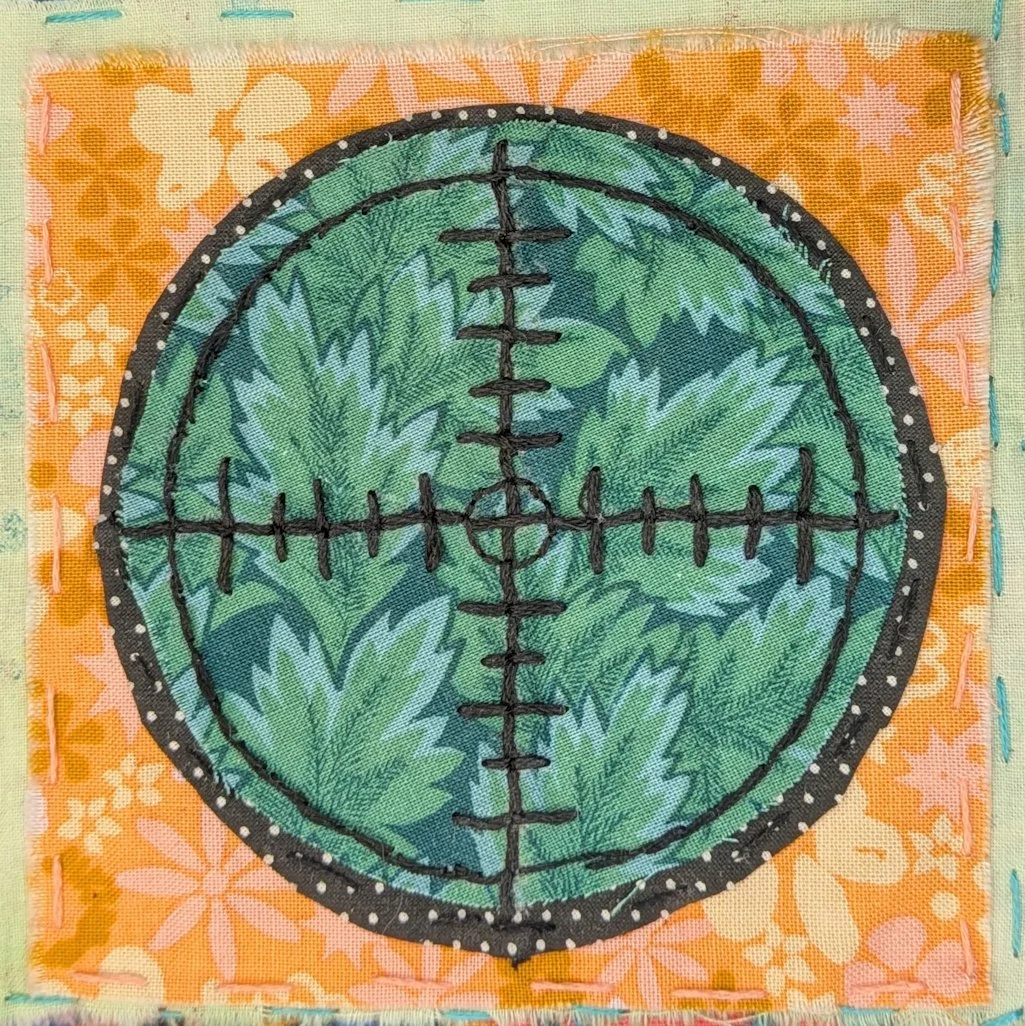
When Kyleigh Thurman’s OBGYN suspected she had an ectopic pregnancy, Kyleigh went to her local Texas hospital, where she was denied care twice. Kyleigh then went to an Ascension network hospital twice, where she was given a pamphlet about miscarriage. Her doctor traveled to the hospital to plead for her treatment. Kyleigh was finally given a dose of methotrexate, but the ectopic pregnancy burst, so she had to undergo emergency surgery to save her life by removing a fallopian tube, decreasing her future fertility. Kyleigh filed a complaint and the hospital was found to have violated the federal Emergency Medical Treatment and Labor Act. “I never imagined I would find myself in the crosshairs of my home state’s extreme abortion bans,” said Kyleigh. “For weeks, I was in and out of emergency rooms trying to get the abortion that I needed to save my future fertility and life.”
Sources
Anya Cook.
“Two friends were denied care after Florida banned abortion. One almost died.”The Washington Post. April 10, 2023.
“Pregnant women in distress report being turned away from ERs despite federal law.”PBS News. April 12, 2024.
Anne Angus.
“After an abortion for fetal anomalies, she hoped IVF would build her family. Now that’s in doubt.”Iowa Capital Dispatch. June 23, 2024.
“Montana House tables ‘abortion travel’ bill that would have criminalized medical travel.” Daily Montanan. February 27, 2025.
“With some Republican abortion restrictions signed into law, critics blast government overreach into personal health care choices.” Montana Free Press. May 3, 2023.
Ciji Graham.
“Women With High-Risk Pregnancies Have Limited Options Under Abortion Bans.”Pro Publica. January 20, 2026.
Emily Waldorf.
“Emily Waldorf’s pregnancy was life-threatening, and no one in Arkansas, not even the Governor, would help her.” Abortion in America. January 28, 2026.
“‘I was violated and put in extreme danger’: women denied abortions sue over Arkansas ban.” The Guardian. January 28, 2026.
Melinda Spencer.
“When Our Bodies Become Crime Scenes.” Abortion, Every Day. January 6, 2026.
“Prosecutors dismiss fetal homicide charge in Kentucky case; other counts remain.” Spectrum News. January 7, 2026.
Kyleigh Thurman.
“Client Stories: Kyleigh Thurman.” Center for Reproductive Rights.